
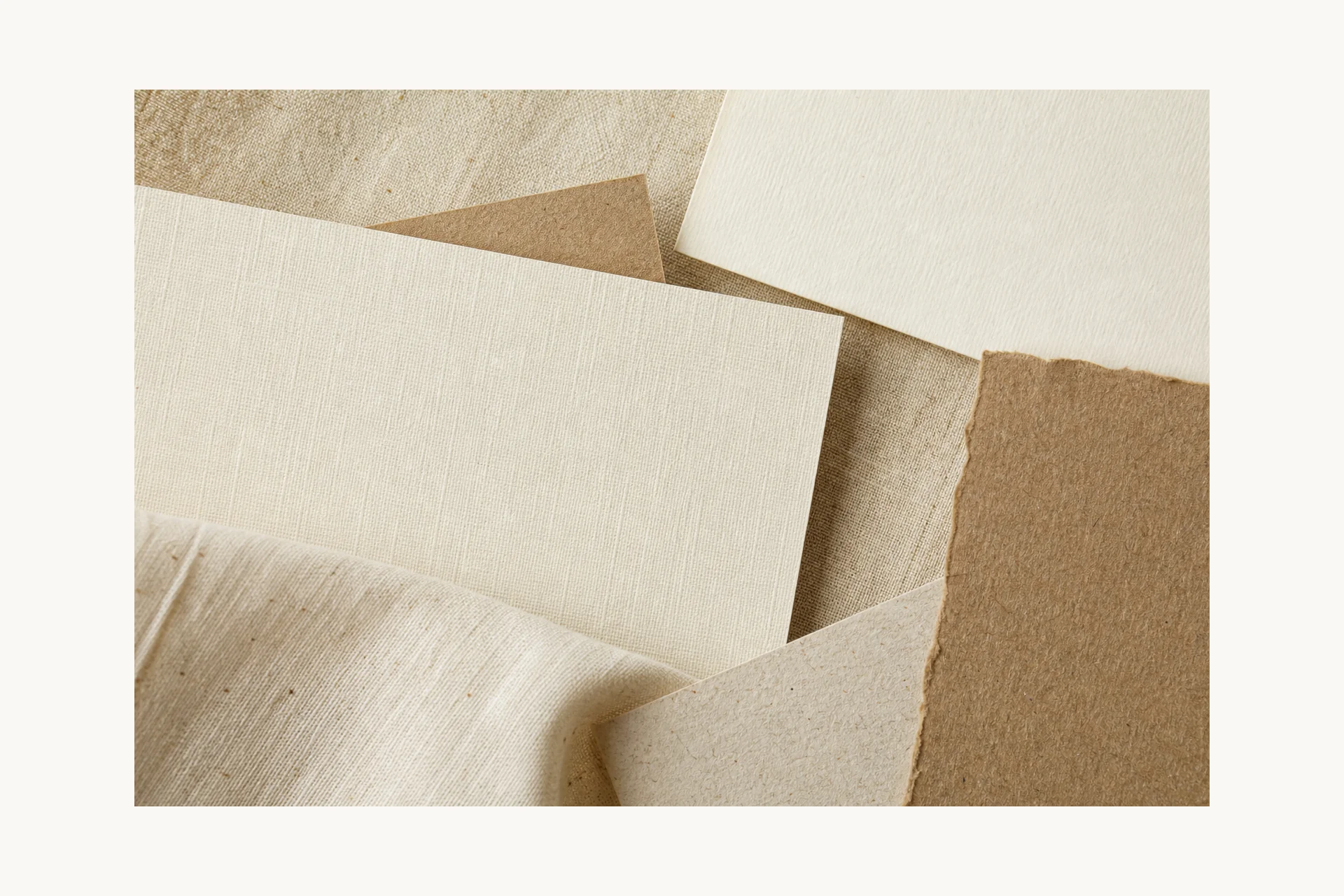



Feel the difference
Park Lane textured cardstock embosses a linen, canvas, or felt pattern into the sheet during manufacturing. The tooth catches light differently than smooth stock, so cards look premium even with simple stamped sentiments.
Texture also hides minor fingerprints and adhesive marks — useful on workshop tables where beginners handle glue pens freely.
Stamping on tooth
Dye inks soak into textured fiber quickly. Use a stamping platform and firm pressure; second-generation images may look lighter — that can be a feature on watercolor-style cards. Pigment inks and embossing powder sit on top of linen nicely.
For crisp text, stamp on precision smooth panels and mount them on textured bases.
Die-cutting texture
Increase pressure one notch on Cricut for linen and canvas. Felt finishes may need a newer blade — fibers are loftier and compress under the housing. Test on scraps before batch-cutting tags.
Intricate dies on heavy texture can lose tiny centers. Simplify the design or switch to smooth 65lb for filigree and layer it on textured stock.
Layering contrast
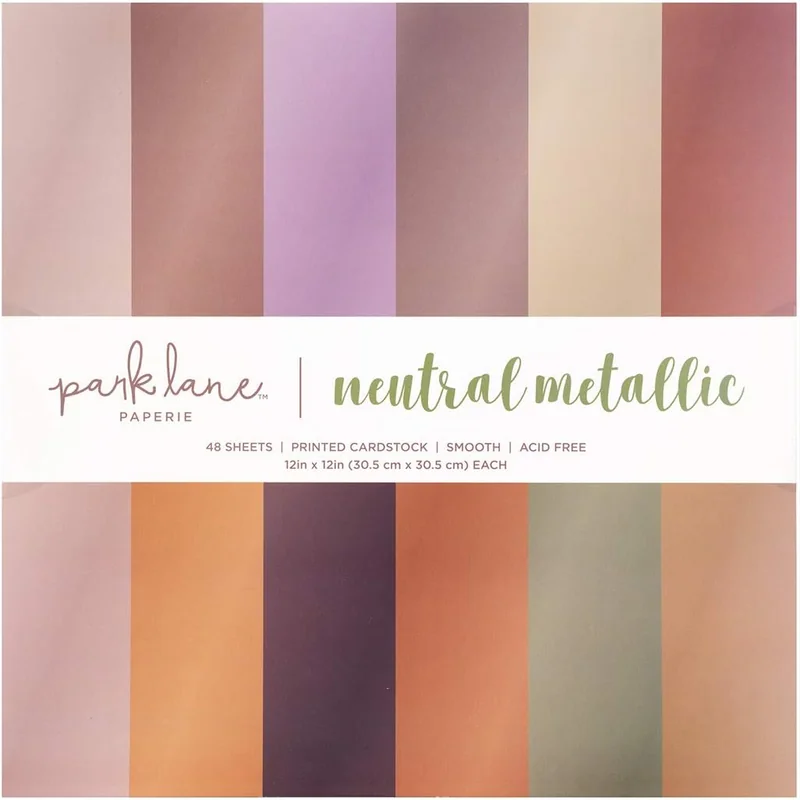
A classic combo: linen base, smooth solid core mat, printed pattern strip from printed pads. The mix of finishes guides the eye without extra embellishments.
110lb canvas cream makes sturdy mini album covers when paired with 65lb inner pages from the weight guide.
Mailing textured cards
Texture adds micro-thickness. Two linen layers plus foam squares may need a postage check. Keep top layers smooth if you mail in bulk.
Readers on reviews note linen cards survive mailing well when placed in cellophane bags.
Care and storage
Store textured sheets flat — rolling creates permanent curl. Keep away from steam irons; heat flattens felt embossing. If a corner lifts after die-cutting, press under a clean book overnight.
Wedding stationery
Linen ivory and canvas cream are popular for wedding suites. Layer textured 65lb panels under precision printed details for tactile luxury without heavy embossing plates.
Test calligraphy on linen scraps — some nibs skip on deep weave. Smooth panels for names on textured bases solve the issue elegantly.
Photo frame mats
Cut textured mats for open-frame displays. The weave catches gallery lighting better than flat poster board. Use 65lb for standard frames and 110lb canvas for shadow boxes.
Seasonal texture pairs
Felt blush suits baby showers; linen navy suits formal events. Rotate texture with season while keeping weight consistent so storage bins stay organized.
Hand lettering
Brush pens grip linen tooth slightly — practice on scraps. Downstrokes thicken naturally on canvas grain, which suits rustic wedding signage when you letter directly on Park Lane textured sheets.
Combining textures
Layer felt on linen sparingly — two heavy textures compete. Use felt as a small accent on large linen panels. Add glitter die cuts as a third finish only on celebration cards.
Album covers
110lb canvas cream wraps mini album covers when scored at the spine. Bind inner pages with 65lb smooth or printed sheets for a tactile cover that protects photos in transit.
Repair and touch-up
If a textured corner dog-ears in shipping, lightly mist the reverse side and press under weight — fiber relaxes without losing emboss. Avoid ironing directly; use a pressing cloth on low heat only for linen.
Gift tags
Textured scraps become premium gift tags with one hole punch and twine. Linen natural on kraft bags is a simple upscale detail for holiday cookie boxes.
Pair linen tags with solid core card bases for cohesive packaging when you sell at markets.