


Why pattern pads
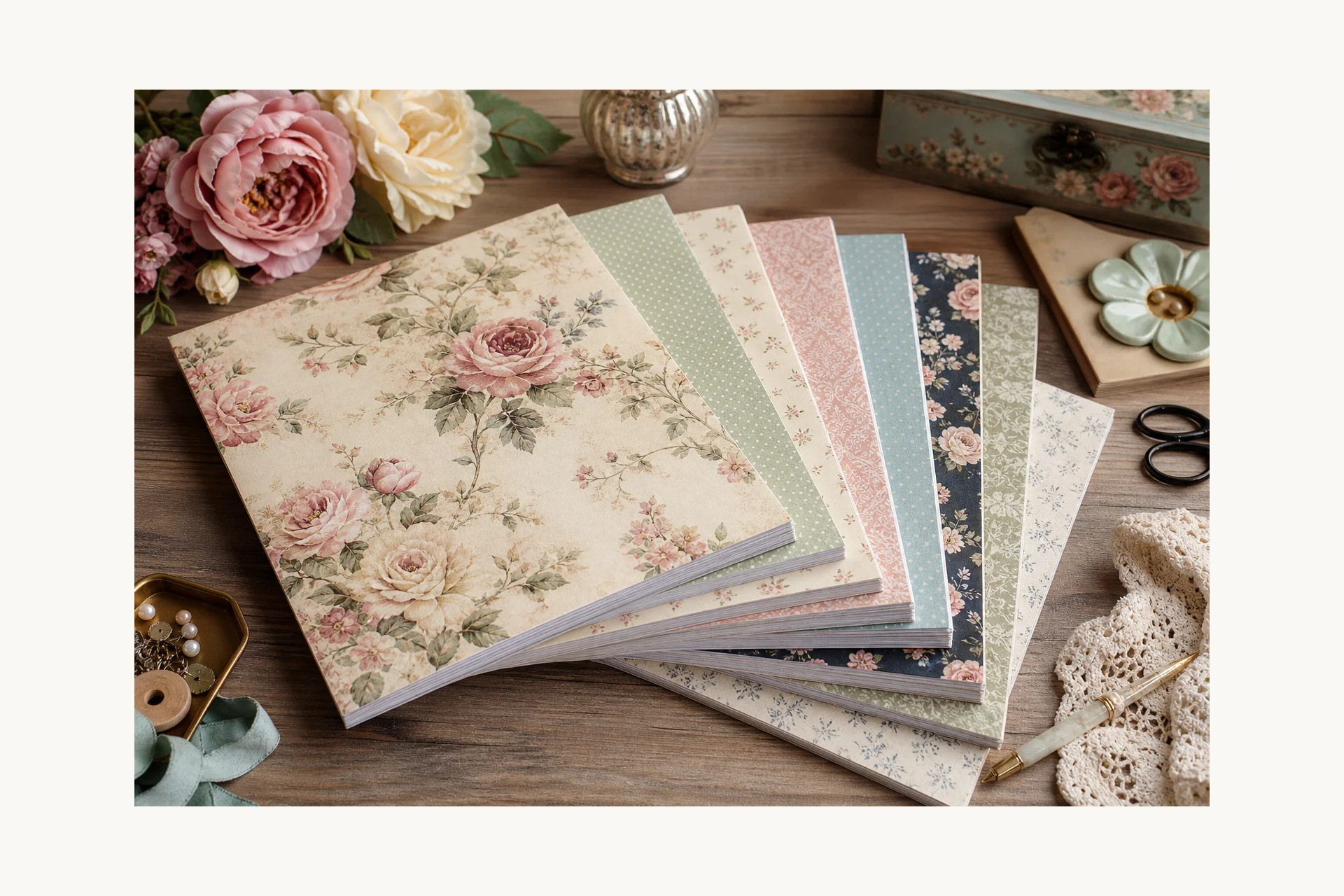
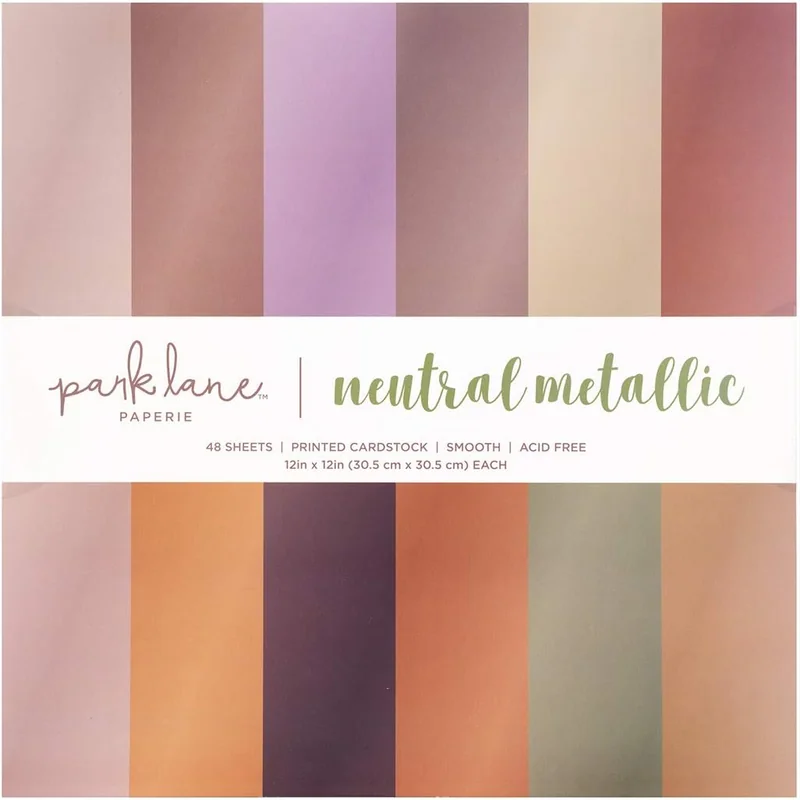
Park Lane printed cardstock pads bundle twelve to twenty-four double-sided sheets in one color story. You skip hunting matching patterns from separate vendors and start cutting immediately at a crop night or kitchen table session.
Each sheet is 65lb acid-free stock — the same fiber as solid core layers — so patterns behave predictably on Cricut and Silhouette cutters.
Layout speed
Scrapbookers use printed sheets as full backgrounds, photo mats, and strip borders. Card makers die-cut shapes from busy patterns and layer them on solid core panels for balance.
When a pattern feels loud, pair it with plenty of white space from white cardstock mats or vellum overlays.
Cutting printed stock
Print orientation rarely matters for abstract geometrics. For directional stripes, place the sheet on the mat so the blade path respects the design. Use a brayer to flatten curled sheets from pad storage.
Intricate dies on busy patterns can look muddy — cut the same shape from a solid and overlay instead. Precision smooth solids from precision cardstock stamp cleanly on top of patterned bases.
Archival printing
Park Lane patterns use stable inks suited for albums. Avoid soaking printed sheets with heavy water media; mist lightly if you watercolor on printed backgrounds. Heat embossing works when you stamp on open areas of the design.
Store pads flat with the band wrapper to prevent edge curling. Humidity warps patterned stacks faster than solid packs.
Seasonal planning
Buy holiday pads early and pre-cut elements — tags, pockets, titles — so assembly is fast in December. Mix one printed pad with one glitter sheet per card for sparkle without overwhelming the layout.
See crafter reviews for how owners combine Garden Florals and Holiday Classics in the same album.
Double-sided layouts
Many Park Lane pad sheets are double-sided with coordinating prints. Use the reverse as a surprise liner inside envelopes or pocket flaps on scrapbook pages.
When both sides show in a tri-fold brochure card, test fold direction on a scrap — busy patterns on every panel can overwhelm; balance with white inserts.
Kid-friendly crafts
Printed 65lb is forgiving for young crafters: scissors glide easily and patterns hide uneven cuts. Pair with solid solid core frames so classroom valentines look cohesive.
Travel crafting
Pads pack flat in tote bags for cruises and retreats. Pre-select six patterns before you leave so you do not waste vacation time choosing coordinates. Trim scraps into confetti for shaker cards on the last night.
Photography tips
Busy patterns can fight product photos. Shoot printed cards at an angle with shallow depth of field so the pattern softens behind a sharp stamped sentiment on precision smooth.
Coordinating solids
Each Park Lane pad lists companion solid core colors on the backer card. Match mats and die cuts to those swatches for designer-level layouts without color theory guesswork.
When a pattern includes navy and blush, pull solids from the solid core line in the same tones for titles and tags.
Waste-less cutting
Nest dies on printed scraps left from previous projects. Small floral offcuts become shaker fill or mosaic panels on white bases — patterned pads stretch further when you treat every inch as inventory.
Scale and proportion
Large florals suit 12x12 scrapbook pages; small geometrics suit A2 cards. Trim busy patterns with a border punch to calm the design before matting a photo.
When patterns feel too bold, vellum or tissue overlays soften them without hiding color entirely — a trick retreat teachers use with Park Lane holiday pads.
Gift packaging
Wrap small boxes in printed sheets from the same pad as the card inside. Cohesive presentation reads intentional at craft fairs and boutique gift counters.